Why USA-Made Protest Shirts Matter for Activist Movements
Protest shirts are a staple of modern activism. They let people wear their beliefs, start conversations, and support causes without saying a word. But not all protest shirts are created equal. Over the past few years, many activists have started asking a simple question: where are these shirts made? That shift has pushed more people toward USA-made protest shirts, which come with their own set of trade-offs and practical realities.
When I first started getting involved in local organizing back in 2017, I bought cheap shirts online without thinking much about it. They were printed on thin cotton, the ink cracked after a few washes, and the design faded fast. More importantly, I had no idea where they were made. That changed during the summer of 2020, when so many of us were out in the streets for Black Lives Matter. I saw people wearing shirts from all sorts of brands, but the ones that held up best were made in the United States. That got me curious about the whole supply chain.
The Case for Domestic Production
USA-made protest shirts offer more than just durability. They give activists control over quality and labor standards. When you buy a shirt made in the U.S., you know the factory is subject to federal wage and safety laws. That is not always true with offshore production, where labor abuses are harder to track. For movements that stand for workers' rights, civil liberties, and economic justice, that alignment matters. The Poor People's Campaign, for example, has emphasized the link between economic dignity and racial justice, and wearing a shirt made under fair conditions reinforces that message.
There are practical trade-offs, of course. American-made shirts cost more, sometimes twice as much as imported alternatives. For cash-strapped grassroots groups, that price difference is real. But many organizers I have spoken with say the higher cost is worth it when the shirt lasts through multiple marches, washes, and wears. A shirt that falls apart after two uses is not a good value at any price.
How Activist Groups Use Shirts as Tools
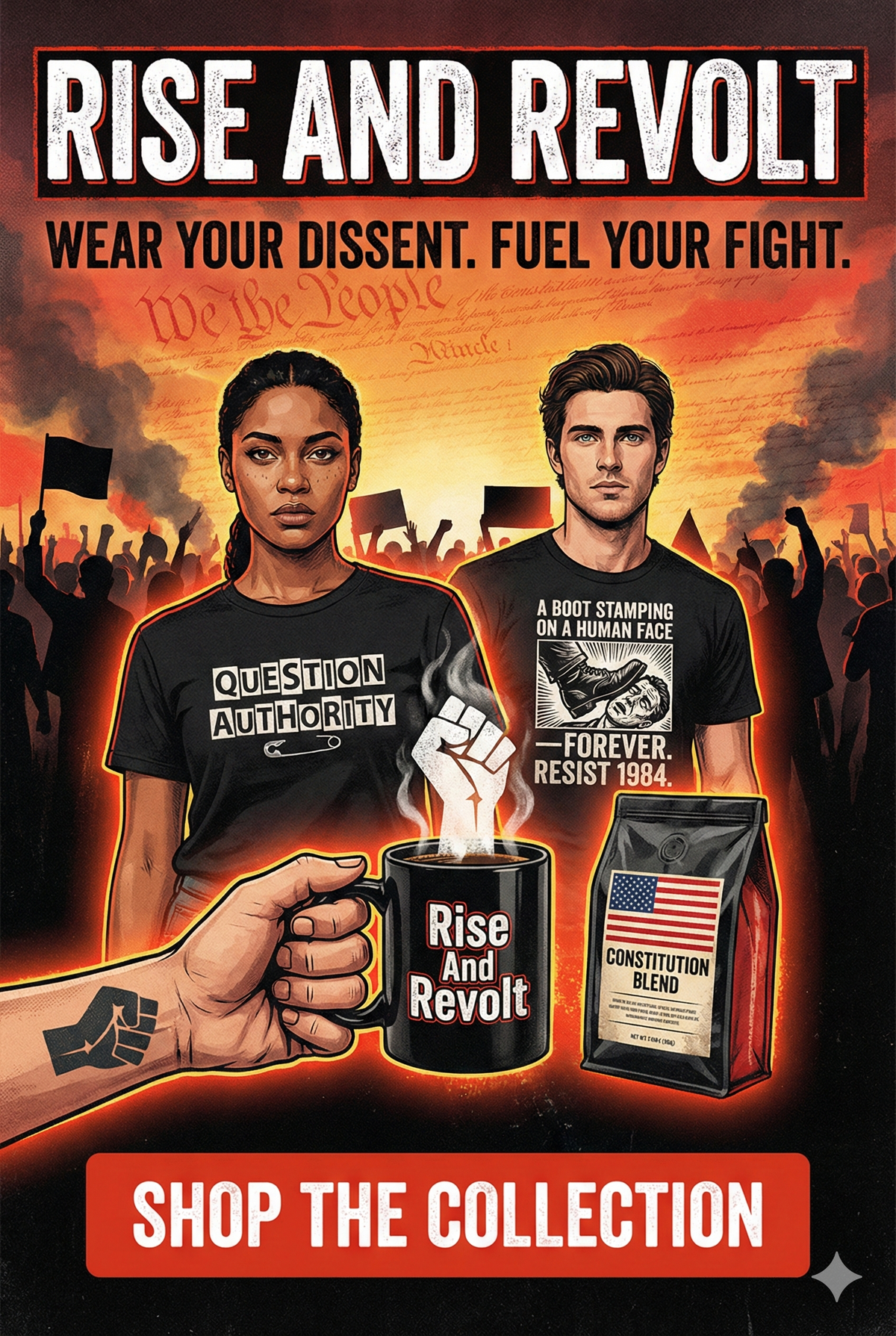
Protest shirts are not just merchandise. They are communication tools. At a Women's March event, a well-designed shirt can signal solidarity before anyone says a word. During the March for Our Lives rallies after Parkland, students wore shirts with messages that demanded action on gun violence. Those shirts became part of the visual language of the movement. The same was true for the crowds that turned out for Bernie Sanders and Biden rallies, where shirts carried policy slogans and candidate names.
Groups like Indivisible and MoveOn have used custom shirts to build community at local meetings. When everyone wears the same design, it creates a sense of unity. That is harder to achieve with random shirts bought from different sources. The ACLU and NAACP have also sold official shirts at events, and many of those are now made domestically to align with their values. The Human Rights Campaign does the same for its equality-focused events.
The Material Reality of Protest Apparel
USA-made protest shirts are typically made from heavier cotton, often ring-spun or combed for softness. That makes them more comfortable to wear for long hours in the sun or cold. The printing methods used by domestic shops tend to be higher quality too, with plastisol or water-based inks that hold up better. That matters when you are marching in rain or sweating under summer heat.
There is also the question of sizing. American brands usually offer a wider range of sizes, including plus sizes, which is important for inclusive movements. The Poor People's Campaign and the Women's March have both stressed the need for apparel that fits all body types. Offshore producers often cut garments to a narrow standard that does not work for everyone.
Where the Shirts Come From
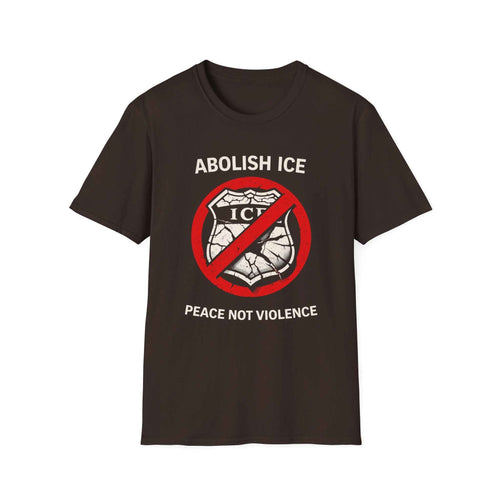
Most USA-made protest shirts start as blank garments from domestic mills. Brands like Shirt Mes and We the People supply blanks to printers who then add the activist designs. Those printers are often small businesses themselves, run by people who care about the causes they serve. I have visited a couple of these shops, and the owners can tell you exactly which factory sewed the shirt and where the cotton came from. That transparency is rare in the fashion industry.
Some groups have moved toward using organic cotton or recycled polyester blends, but those materials are harder to source domestically. The Green New Deal has pushed for more sustainable textile production in the U.S., but progress is slow. For now, the most reliable option for activists who want both quality and ethics is still a standard cotton shirt made in America.
Political Messages and Polarization
Protest shirts are also a way to engage with politics directly. During the Trump administration, shirts with slogans like "Resist" and "Nevertheless, She Persisted" were everywhere. After Biden took office, the tone shifted toward more specific policy demands. Greta Thunberg's climate strikes inspired shirts with phrases like "There Is No Planet B" and "Climate Justice Now." The NRA has its own line of shirts too, which shows that protest apparel is used across the political spectrum.
For groups like Planned Parenthood, shirts are a fundraising tool as much as a messaging device. They sell shirts at rallies and online, and the proceeds fund their work. The same is true for the ACLU and the NAACP. When those shirts are made in the U.S., the money stays in the domestic economy and supports American workers. That is a small but meaningful contribution to the broader fight for economic justice.
The Practical Side of Choosing a Shirt
If you are organizing an event or just want to wear your values, there are a few things to keep in mind. First, look for shirts that are pre-shrunk, because domestic cotton often shrinks less than imported blends. Second, check the weight of the fabric. A 5-ounce shirt is fine for summer, but a 6.5-ounce shirt holds up better over time. Third, ask the seller where the shirt was printed. Many small shops use USA-made protest shirts but may not advertise it. They will tell you if you ask.
There is also the question of design. Bold text and high-contrast colors read best from a distance. At a rally, you want people to be able to read your message from twenty feet away. That means big font sizes and simple graphics. A shirt that looks good on Instagram might not work in a crowd. I learned that the hard way when I wore a shirt with small text to a march and nobody could read it.
Looking Ahead
The demand for USA-made protest shirts is growing, but the supply is still limited. Most domestic blanks are made by a handful of companies, and production capacity is not infinite. As more groups commit to buying American, the industry will need to scale up. That could mean more jobs in textile manufacturing, which is good for the economy and good for movements that care about workers.
In the meantime, activists have to balance ideals with budgets. Not every group can afford premium shirts. But for those that can, the choice to buy domestic is a statement in itself. It says that the movement values the people who make the shirts as much as the people who wear them. That is a message worth sending.